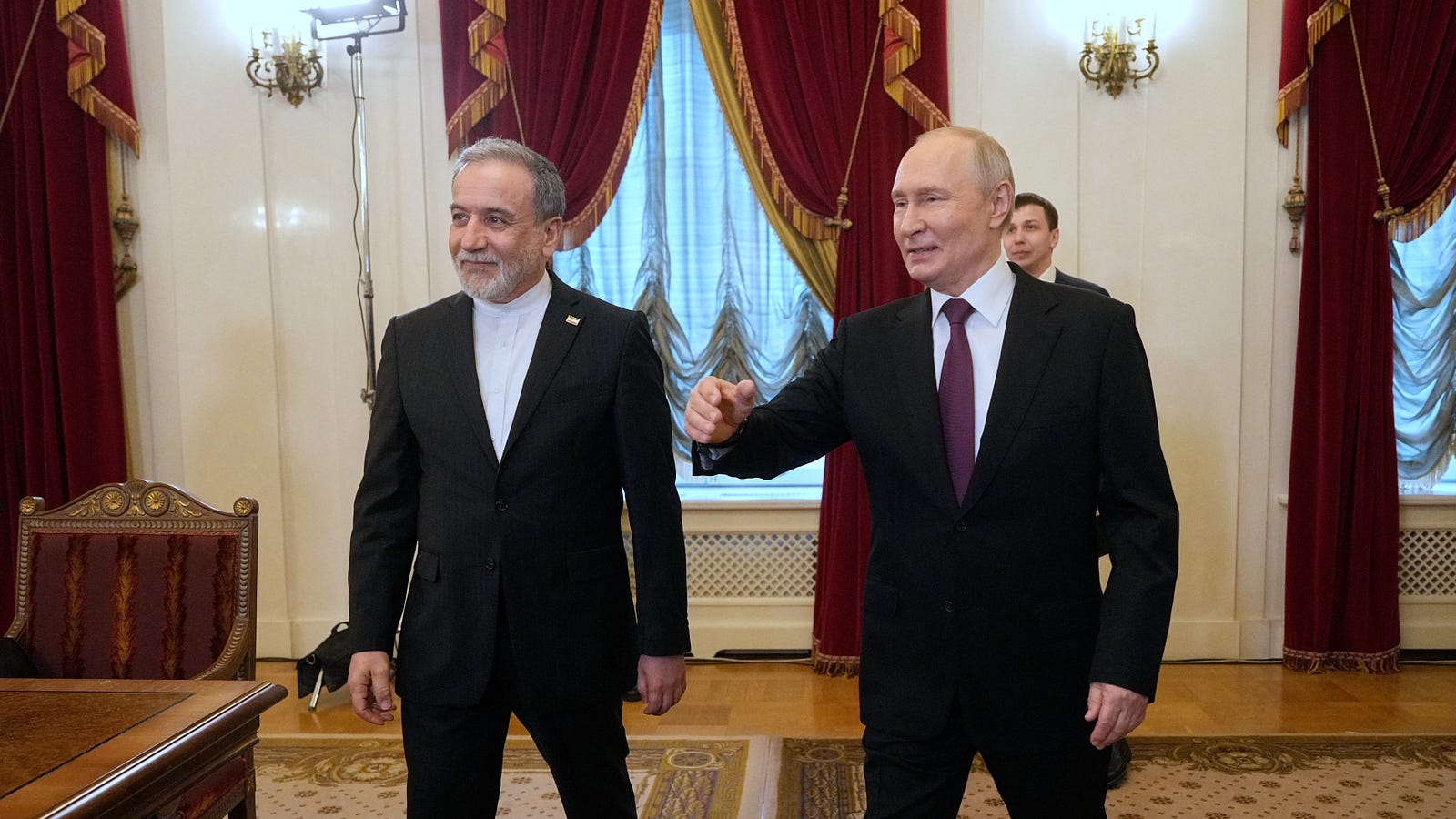
On the heels of an unprecedented round of diplomatic shuttling between Tehran, the Gulf, and a small circle of European mediators, the Trump administration is once again insisting that Iran is on the verge of capitulation. Officials in Tehran disagree. They believe the leverage now sits with them, and they are no longer willing to negotiate within the framework Washington has tried to dictate for the past eighteen months.
“It is an American framing that has been recycled for thirty years,” said one Iranian diplomat involved in the back-channel discussions. “All of the demands are placed on Iran, and none of the guarantees are offered in return. The fact is that the leverage has shifted, and Washington has not noticed.”
Instead of accepting the terms outlined in the latest U.S. proposal, Iranian officials have sought to broaden the conversation, drawing in Russia, China, and a handful of regional partners that share an interest in preventing a full-scale war. They have also continued to deepen military coordination with allied governments and movements, a posture they say is purely defensive but which Washington has read as escalation.
The Three Ms
Inside the Iranian foreign ministry, officials have begun referring to their position as “the three Ms”: munitions, markets, and the midterms. The first two are familiar levers. The third is newer, and reflects a belief in Tehran that the political clock in Washington is now working against any maximalist American strategy.
“The president cannot afford a long war on the eve of an election year,” said one regional analyst close to the Iranian negotiating team. “He needs a deliverable. We are not in a hurry. He is.”
That asymmetry has begun to show in the public messaging coming out of the White House, which has oscillated between threats of military escalation and overtures suggesting a deal is within reach. Iranian officials say neither posture has produced movement at the table because both rest on the same underlying assumption — that Tehran is desperate.

The Sidelining of Diplomacy
While public attention has focused on the rhetorical battle between the two capitals, a quieter shift has been underway in the diplomatic architecture surrounding the war. European intermediaries who once carried real weight have been pushed to the margins. Regional powers that were once considered junior partners are now setting the pace of the conversation.
For some observers, that realignment is the most consequential development of the year. “The war is being negotiated in rooms that did not exist eighteen months ago,” one former U.S. official told Drop Site. “Washington keeps showing up to the rooms it remembers, and finding that the conversation has moved.”
Whether that shift will translate into a durable settlement, or simply into a new and more dangerous phase of the conflict, remains the open question. Iranian officials say they are prepared for either outcome. American officials, in private, concede that they are increasingly uncertain which one they are heading toward.